
We are constantly being bombarded with information re the dangers of overuse of plastic. The life cycle of plastic materials is fraught with environmental dangers at every stage – production, use, recycling. Why have we become so in love with plastic that we can not do away with it?
I have attached here two reports which may make you think twice about your use of plastic:
1. How to avoid micro-plastics in your home.
2. Bottled water not as pure as we thought.
And to give you hope:
1. NSW Plastics, Next Steps.|
2. Plastic Free Checklist.
Your Enviro team will be talking more about this in future meetings.
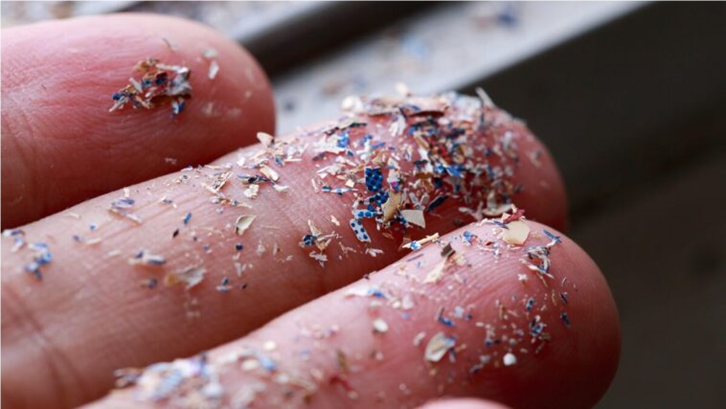
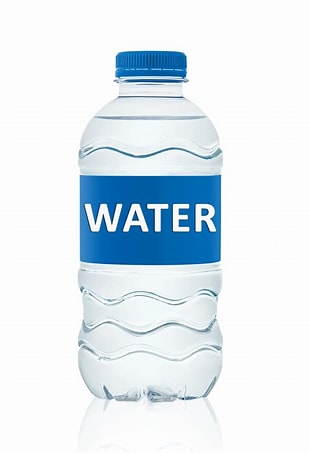 Escaping plastic is no easy task these days. And, according to the latest science, it’s even harder than we realised. If you seek refuge from impurity through bottled water, sadly, the latest revelations will disappoint you.
You may already be aware that microplastics are commonly found in bottled water. Very small pieces of plastic – ranging from one microgram to around five millimetres – have been recorded in bottled water for some years.
Now, through improved scientific detection methods, even more startling discoveries are being made. A new technique used by US scientists has found a proliferation of nanoplastics in every bottle of water tested.
The scientists, from New York’s Columbia University, found that on average, one litre of bottled water contained an incredible 240,000 detectable plastic fragments. That falls somewhere between 10 and 100 times previous estimates.
“Previously this was just a dark area, uncharted,” says environmental chemist Adjunct Associate Professor Beizhan Yan. “Toxicity studies were just guessing what’s in there.”
What does this say about the risk of bottled water?
That is something of a $64,000 question. So small are some of these nanoplastics, there’s uncertainty about what damage – if any – they are capable of inflicting.
Escaping plastic is no easy task these days. And, according to the latest science, it’s even harder than we realised. If you seek refuge from impurity through bottled water, sadly, the latest revelations will disappoint you.
You may already be aware that microplastics are commonly found in bottled water. Very small pieces of plastic – ranging from one microgram to around five millimetres – have been recorded in bottled water for some years.
Now, through improved scientific detection methods, even more startling discoveries are being made. A new technique used by US scientists has found a proliferation of nanoplastics in every bottle of water tested.
The scientists, from New York’s Columbia University, found that on average, one litre of bottled water contained an incredible 240,000 detectable plastic fragments. That falls somewhere between 10 and 100 times previous estimates.
“Previously this was just a dark area, uncharted,” says environmental chemist Adjunct Associate Professor Beizhan Yan. “Toxicity studies were just guessing what’s in there.”
What does this say about the risk of bottled water?
That is something of a $64,000 question. So small are some of these nanoplastics, there’s uncertainty about what damage – if any – they are capable of inflicting.
Escaping plastic is no easy task these days. And, according to the latest science, it’s even harder than we realised. If you seek refuge from impurity through bottled water, sadly, the latest revelations will disappoint you.
You may already be aware that microplastics are commonly found in bottled water. Very small pieces of plastic – ranging from one microgram to around five millimetres – have been recorded in bottled water for some years.
Now, through improved scientific detection methods, even more startling discoveries are being made. A new technique used by US scientists has found a proliferation of nanoplastics in every bottle of water tested.
The scientists, from New York’s Columbia University, found that on average, one litre of bottled water contained an incredible 240,000 detectable plastic fragments. That falls somewhere between 10 and 100 times previous estimates.
“Previously this was just a dark area, uncharted,” says environmental chemist Adjunct Associate Professor Beizhan Yan. “Toxicity studies were just guessing what’s in there.”
What does this say about the risk of bottled water?
That is something of a $64,000 question. So small are some of these nanoplastics, there’s uncertainty about what damage – if any – they are capable of inflicting.
Click on the image below to view the Plastic Free Checklist.

acrobat.adobe.com/id/urn:aaid:sc:ap:a1dfef8a-a5ed-4a40-a961-4dd937d6078d
Click on the image below to read the Article supplied by Judy. Unfortunately I was unable to insert them into the bulletin, but the two articles are available by click on the links or the image.
https://acrobat.adobe.com/id/urn:aaid:sc:AP:299793e2-17d8-4c11-96f2-0a3890888d75